.png)




.png)
How It Works

.png)

Demo
Features

FAQ
Yes! Velvet Verify is built for privacy from day one. Your name and contact info are never public, and your lab documents are permanently deleted after inspection. You decide what to share, with whom, and for how long. Nothing is ever visible without your explicit consent.
No. You can stay fully anonymous.
Velvet Verify doesn’t collect or store personal identifiers unless you choose to add them for optional verification. If you do, that information is used only to validate the authenticity and ownership of your results and is never shared publicly.
Other users will only see your chosen Display Name, which is used to identify yourself with others on the platform and can be a pseudonym.
Behind the scenes, we confirm your results’ credibility without ever exposing your real identity.
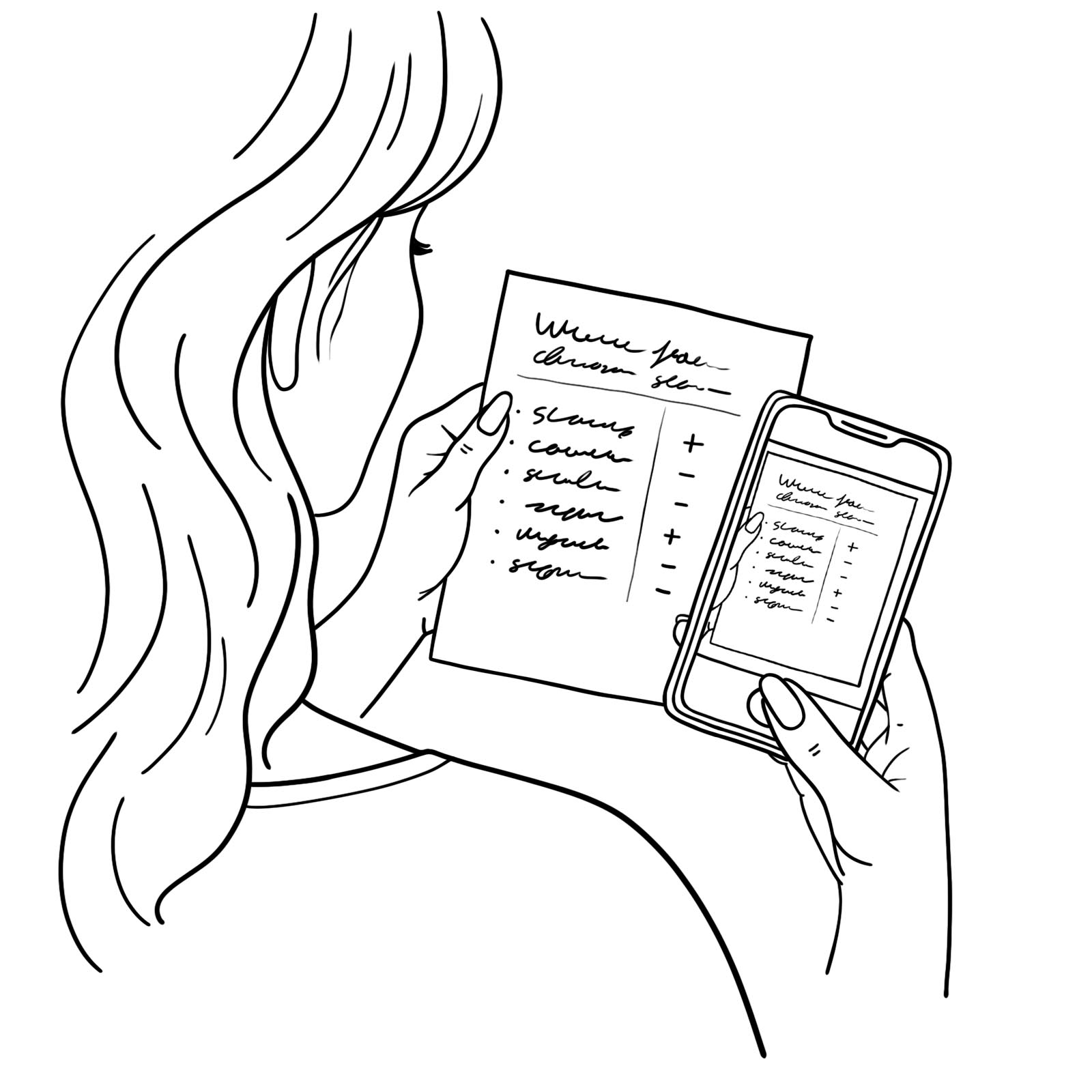
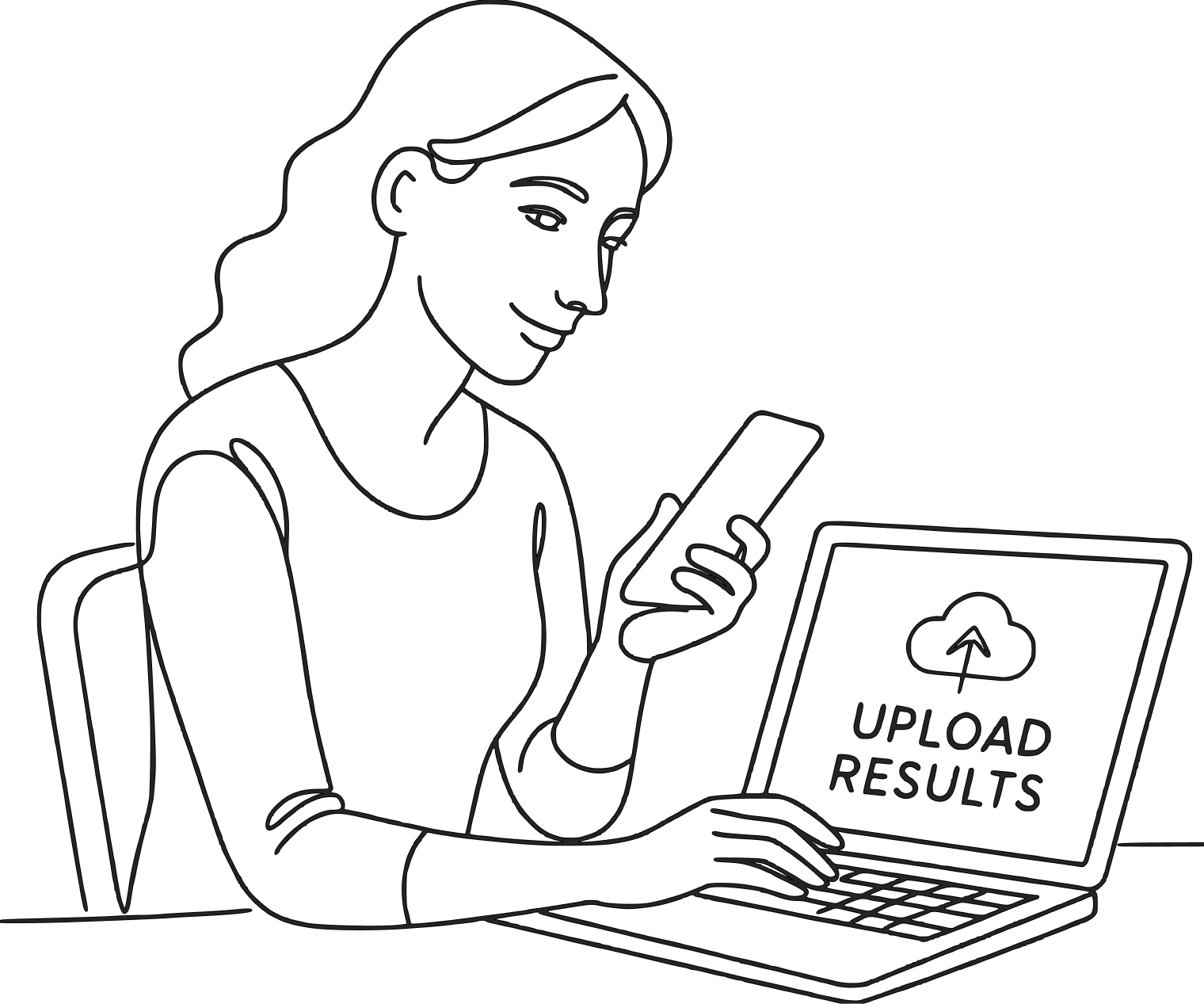
Upload your lab results (PDF, screenshot, or photo).
Our applied intelligence model extracts the relevant results data and inspects the document for authenticity, deleting the original document after inspection.
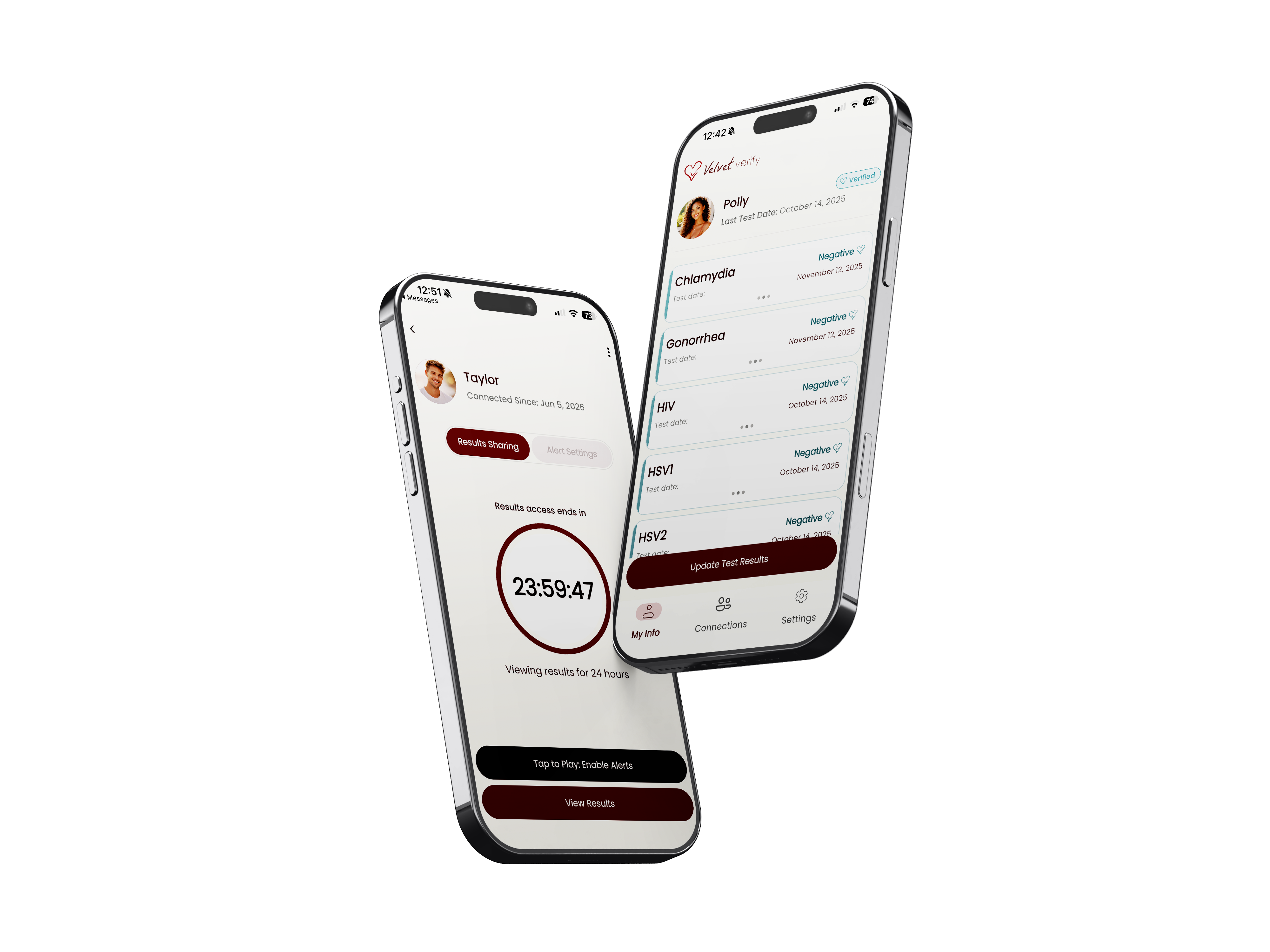
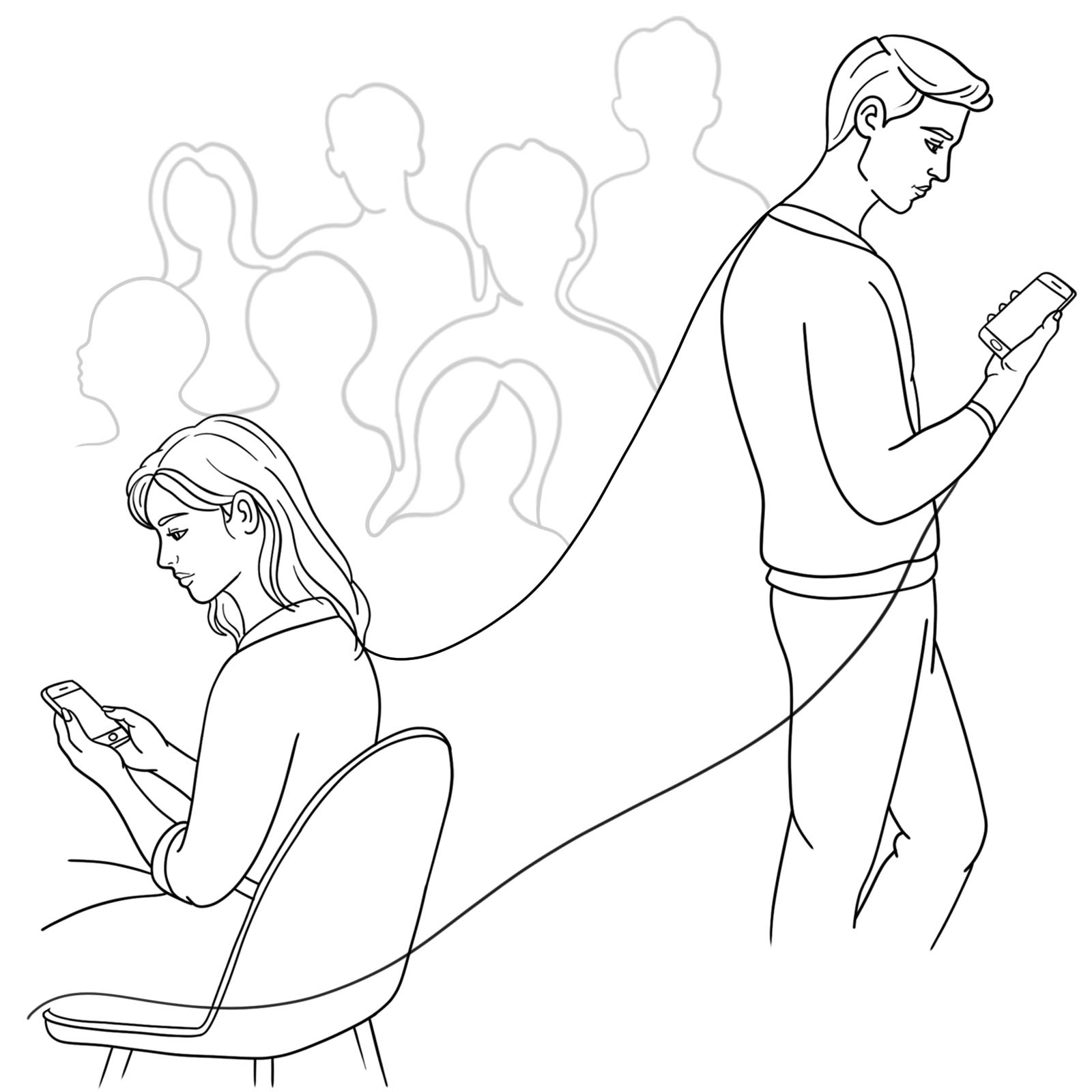
If a user reports a positive result, Velvet Verify automatically sends an anonymous exposure alert to past sexual partners.
Velvet Verify marks results as "Verified" or "Not Verified" based on document verification checks, which look for common authenticity markers, internal consistency, and whether a document can reasonably be attributed to the person sharing it.
A “Verified” status indicates the uploaded document passed these checks but does not confirm clinical accuracy and does not replace a lab, clinic, or medical professional.
No system can detect 100% of fraud, but Velvet Verify can evaluate test result documents more effectively than most people can on their own.
More importantly, Velvet Verify doesn’t rely on a single moment of trust. Even if someone misrepresents their results, dishonesty tends to surface over time. Exposure alerts continue to function regardless of verification status, and testing window periods make it difficult to immediately clear an exposure.
The goal isn’t to eliminate all fraud, but to make honesty the easiest path and deception hard to sustain.
Not necessarily. A “Not Verified” status does not mean a result is fake or that someone is being dishonest.
“Not Verified” simply means Velvet Verify wasn’t able to confirm the authenticity of a document, or results were self-attested (something that’s common for newer users who don’t yet have verifiable lab results). Documents may also fail verification for legitimate reasons, such as uncommon lab formats, partial screenshots, or redacted information used to confirm result ownership.
For this reason, Velvet Verify shows verification status transparently so people can make informed decisions together, rather than treating verification as a pass-or-fail judgment.
Exposure alerts are discreet, anonymous notifications that let you know if someone you’ve connected with later reports a positive test result. If you’ve opted in, Velvet Verify evaluates whether an alert is relevant by looking at factors like your last connection date and your most recent test date.
This timing-based approach helps focus alerts on situations where an exposure may have occurred, while reducing unnecessary notifications.
If you receive an exposure alert, your private status in Velvet Verify may change to Exposed so you know a potential exposure was reported.
Your Exposed status is only visible to you. It is not shown to your connections, and it is not included when you exchange results with someone else.
When you share results, the other person will only see your latest test result, such as Negative or Not tested, depending on whether you have tested before.
An exposure alert does not mean you are infected. It means you may want to speak with a licensed healthcare professional about waht to do next.
If you receive an exposure alert, consider speaking with a licensed healthcare professional about when you should test next.
Some tests may not detect an infection if they are taken too soon after a possible exposure, so the right timing can depend on your situation, the type of test, and the STI involved.
Velvet Verify can help you stay informed, but it does not provide medical advice. Your doctor or healthcare provider can help you decide the safest next step.
By default, exposure alerts are event-based. They’re tied to a specific encounter with a connection, so it's important to re-enable alerts every time you engage sexually with that partner. Not doing so could result in missed alerts later.
- Continuous alerts are designed for ongoing connections. When turned on, you don't need to re-enable alerts for every encounter. If the connection reports a positive test result at any point, you'll be notified.
- Early alerts are for higher-risk, barrier-free connections. If a connection is alerted that they may have been exposed, you can be notified too, so you’re aware of a possible indirect exposure without waiting for them to re-test and confirm a positive result.
Because continuous and early alerts can result in more false alarms, they’re best used when they align with how you engage with that connection.
No. Each person needs their own account to ensure results are accurately verified and exposure alerts are routed correctly. Couples, triads, and polycules can still connect and share results privately within the app, but each account must represent an individual.
.png)
